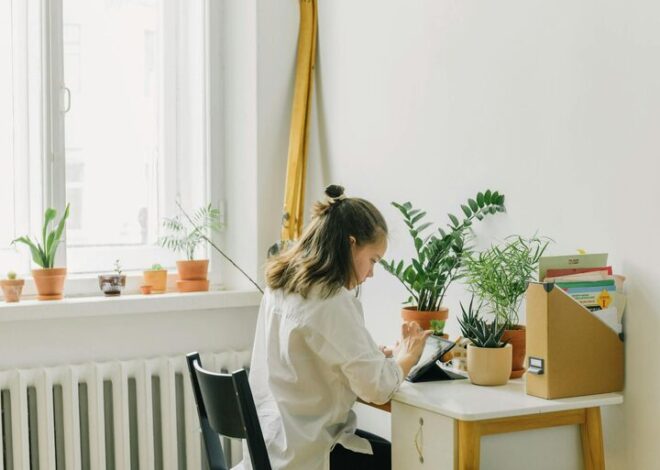
Tips for Creating a Relaxing Home Workspace to Boost Productivity and Wellbeing
Creating a home workspace that feels both relaxing and productive is essential for anyone working remotely or juggling tasks from home. A well-designed environment can improve focus, reduce stress, and support your overall wellbeing. Here, we explore practical tips to help you transform your home office into a space where you can work efficiently without sacrificing comfort.
Why a Relaxing Workspace Matters
The atmosphere of your workspace plays a significant role in your daily performance and mood. A cluttered, uncomfortable, or uninspiring area can lead to distractions and burnout. Conversely, a calm and organised environment helps keep your mind clear and energy levels steady, making it easier to tackle projects and maintain motivation throughout the day.
Choose the Right Location
Quiet and Bright
Select a spot in your home away from high-traffic areas to minimise noise and interruptions. Natural light is ideal, so if possible, position your desk near a window. Sunlight not only boosts mood but also reduces eye strain.
Consider Privacy
If your space allows, try to have a door or a clear boundary to separate your work area from living spaces. This helps mentally separate work time from relaxation time, which is important for maintaining balance.
Invest in Comfortable Furniture
Ergonomic Chair
A supportive chair is crucial for preventing back pain and encouraging good posture. Look for adjustable features such as seat height, backrest tilt, and lumbar support to suit your body shape.
Spacious Desk
Your desk should have ample surface area for your computer, paperwork, and any tools you need. Keep your mouse and keyboard at a comfortable height to reduce strain on your wrists.
Keep Your Workspace Organised
Declutter Regularly
Remove unnecessary items and keep only essentials on your desk. A tidy space helps clear your mind and reduces distractions.
Use Storage Solutions
Shelves, drawers, or desk organisers can keep documents and supplies in order. Label containers to quickly find what you need and avoid the frustration of searching for misplaced items.
Add Calming Elements
Colours
Select serene colours such as soft blues, greens, or neutrals for your walls or décor. These tones are known to promote relaxation and focus.
Plants
Indoor plants improve air quality and add a touch of nature, which can boost mood and reduce stress. Low-maintenance plants like succulents or peace lilies are perfect for busy schedules.
Personal Touches
Incorporate meaningful items such as photos, artwork, or inspirational quotes. Ensure these are uplifting yet not distracting.
Control Lighting and Noise
Lighting Options
In addition to natural light, use adjustable desk lamps or soft lighting to reduce eye strain during evening hours. Avoid harsh overhead fluorescent lights if possible.
Noise Management
Consider noise-cancelling headphones or white noise machines if external noise disrupts your concentration. Alternatively, playing soft instrumental music can help create a soothing ambience.
Maintain Good Air Quality and Temperature
Proper ventilation keeps the room fresh and energising. Open windows when possible or use an air purifier. Keep the temperature comfortable; not too hot or too cold, as discomfort can lower productivity.
Develop a Routine and Boundaries
Workspaces that feel relaxing are also paired with healthy work habits. Set regular working hours and take scheduled breaks to stretch or step outside. Communicate your availability to household members to minimise interruptions.
Technology and Tools
Efficient Equipment
Reliable and updated technology prevents frustration caused by slow computers or poor internet connections.
Cable Management
Use cable organisers to keep cords out of the way, reducing clutter and hazards.
Final Thoughts
Creating a relaxing home workspace is a balance between functionality and comfort. It requires some planning and a few thoughtful touches, but the benefits to your productivity and wellbeing are well worth the effort. By building a space that supports your work habits and nurtures your wellbeing, you’ll find it easier to stay focused, motivated, and stress-free.
Remember, your home workspace is a reflection of your needs and preferences, so feel free to adapt these tips to suit your own style and routine. Your ideal workspace is one where work feels less like a chore and more like a positive part of your day.